Episodes
419
April 17, 2026
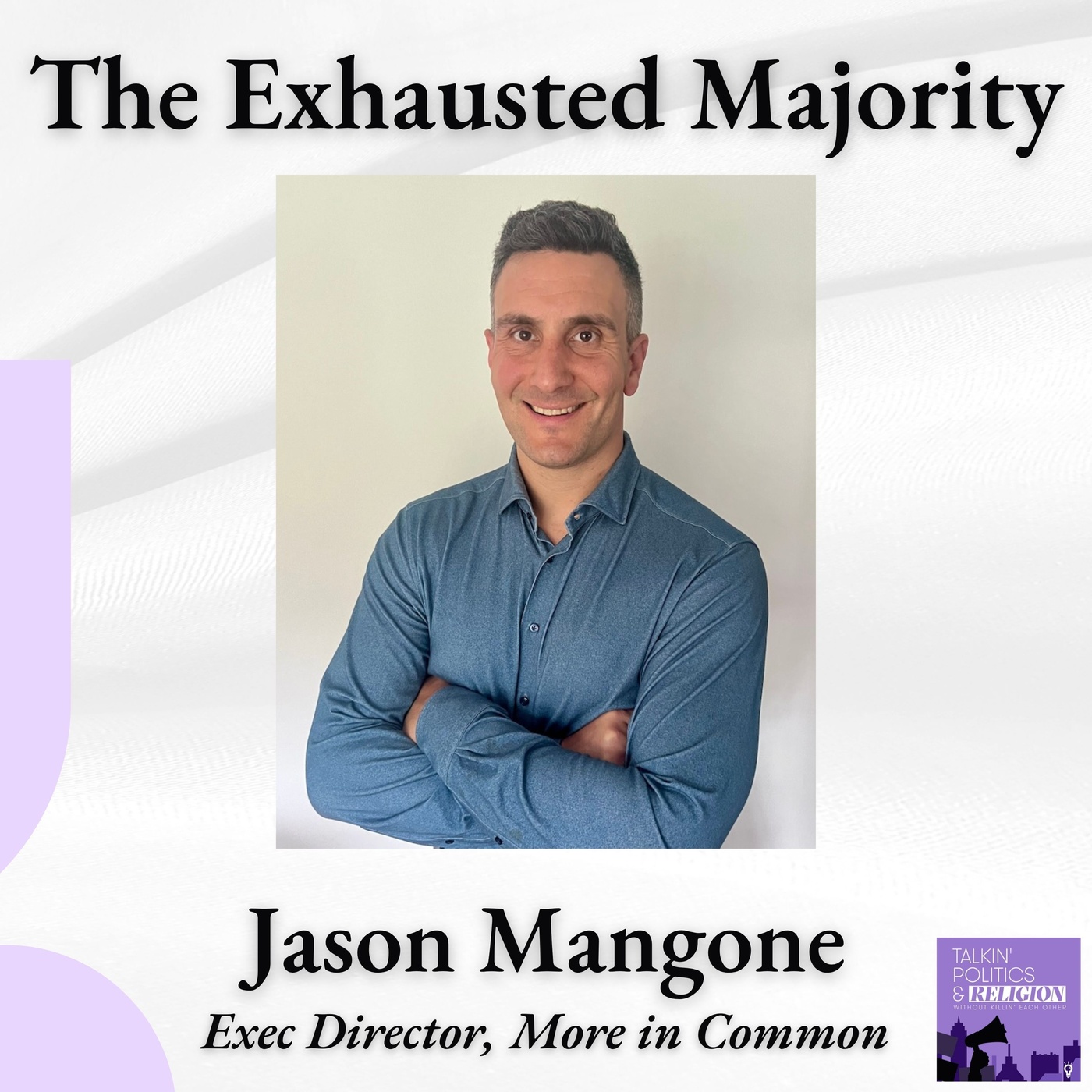
The Exhausted Majority: Jason Mangone of More in Common on Hidden Tribes, the Perception Gap, and What's Actually Pulling Us Apart
Two-thirds of Americans are exhausted by a political narrative that doesn’t match how they actually see the world. Jason Mangone has the data to prove it and a roadmap for what to do about it. Jason Mangone is the executive director of More in Common US, the American arm of a global organization founded after the assassination of British MP Jo Cox — whose maiden speech in Parliament included the line, “We have more in common than that which sets us apart.” Since launching its landmark Hidden Tri...

418
April 14, 2026
Susan Page: The Queen Had a Front Row Seat to American Democracy
She moderated the fly debate. She interviewed Stephen Hawking. She covered 12 presidential campaigns and sat down with the last 10 presidents. And she spent years inside Queen Elizabeth’s extraordinary vantage point on American democracy — one that no American journalist could ever fully replicate. Susan Page, Washington Bureau Chief of USA TODAY, joins Corey to discuss her latest book, The Queen and Her Presidents: a sweeping account of Queen Elizabeth II’s relationships with every American pre...

417
April 10, 2026
The Laughing Emojis Are a Tell: No Kings, the Constitution, and the cauterizing of the civic conscience
A friend of mine sits on the board of the largest Christian school in our valley. He loves this country, loves his neighbors, loves God (or at least he’s working on it, same as the rest of us). So why did he respond to millions of peaceful fellow citizens exercising their constitutional rights with laughing emojis? That question has been gnawing at me for months. This episode tries to answer it. When millions of Americans took to the streets last month in the No Kings rallies, peacefully exercis...
416
April 7, 2026
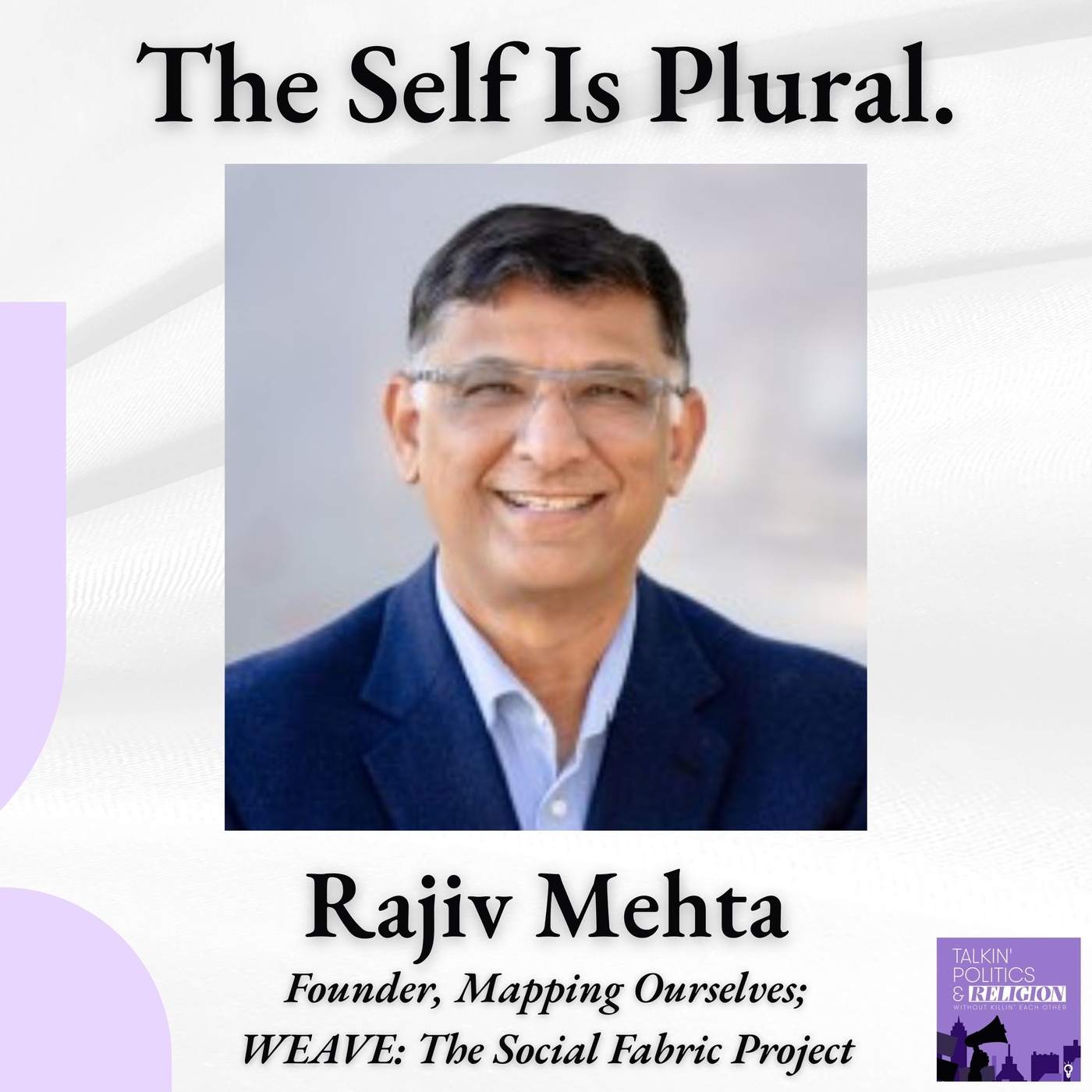
A WEAVE Conversation | Relationships Before Results: Rajiv Mehta on Camaraderie and Self-Knowledge
What if the reason we can't fix our politics is that we've skipped the part where we actually get to know each other? Rajiv Mehta has spent the better part of four decades asking questions that most people don't think to ask. At NASA, it was about the complexity lurking beneath simplified models of the atmosphere. At Apple, it was why people don't take more pictures. At Zume Life, it was why even doctors can't stick to their own health regimens. And for the past twenty-plus years, the question h...
415
April 3, 2026
We Can Survive. Can We Thrive? | Corey Nathan with Andrew Keen on Keen on America
We can survive. But can we thrive? That's a different question entirely. Corey Nathan joined Andrew Keen on Keen on America to talk about the state of civic discourse in America. Robert Mueller's death and the president's response to it is the jumping-off point, but the conversation goes much deeper: the exhausted majority, the horseshoe of extremism, storytelling as a bridge across difference, and what it takes to stay in hard conversations. This feed drop brings that interview to the TP&R audi...
414
March 30, 2026
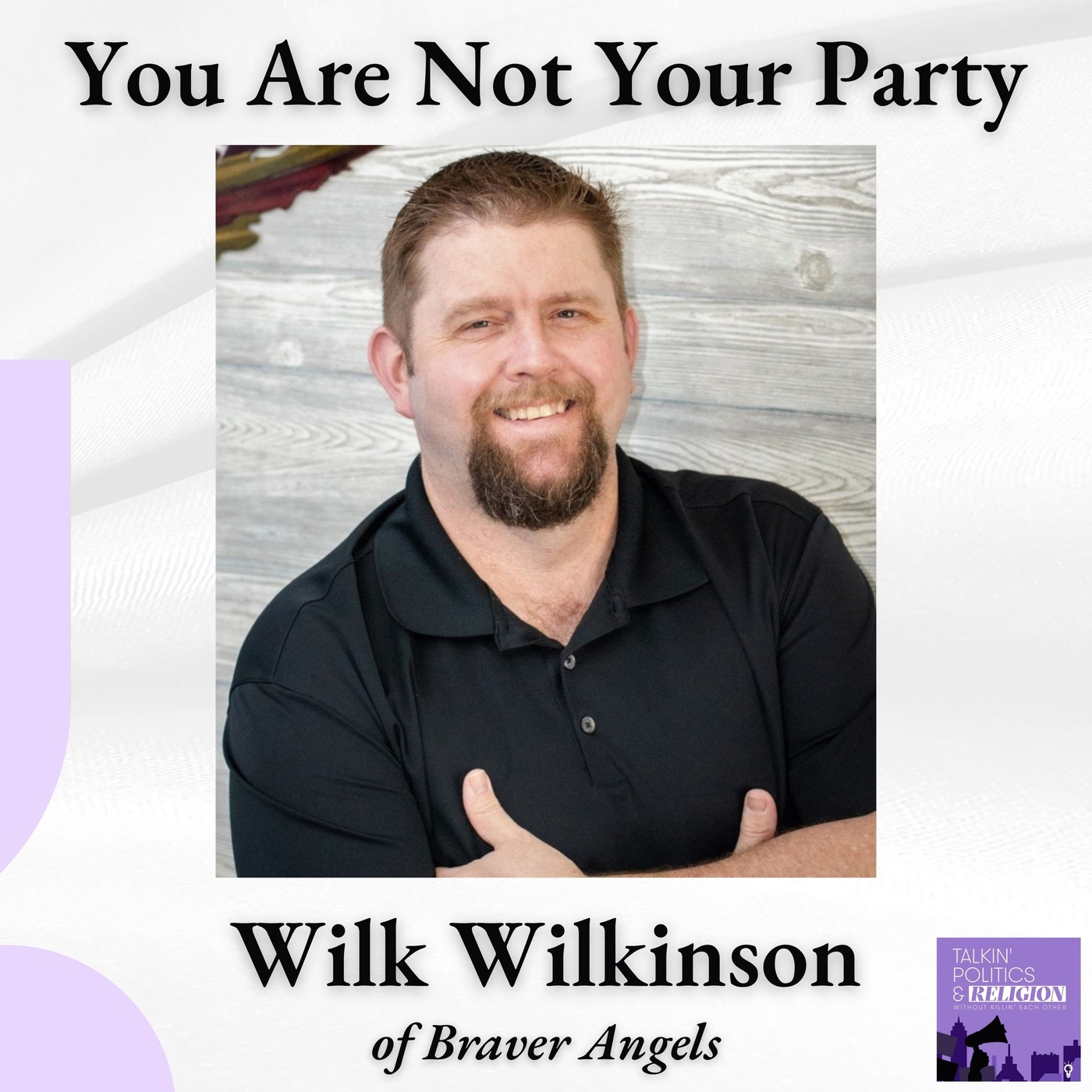
Braver Angels' Wilk Wilkinson: Stop Wearing the Partisan Jersey
He drove a truck across America listening to talk radio. Somewhere between 9/11, the Obama years, and a long personal reckoning with his own anger, Wilk Wilkinson became one of the most unlikely figures in the depolarization movement: a committed conservative who believes the two-party system is tearing the country apart, and who is doing something about it. Wilk is the Director of Media Systems and Operations for Braver Angels, the nation's largest cross-partisan, volunteer-led movement to brid...

413
March 27, 2026
He Called Me Out. We're Still Friends.
He fled Lebanon at 19, built a life here, and has strong opinions about what’s happening in the Middle East right now. And he disagrees with some of what I’ve been writing. So he called me. Bernard Kash is not a politician, a pundit, or a policy expert. He’s a Lebanese-born immigrant who came to this country legally in 1985, built a business from scratch, and has half a family that’s Muslim and half that’s Christian. He has relatives and friends still living in Lebanon and Iran. And when he saw ...
412
March 24, 2026
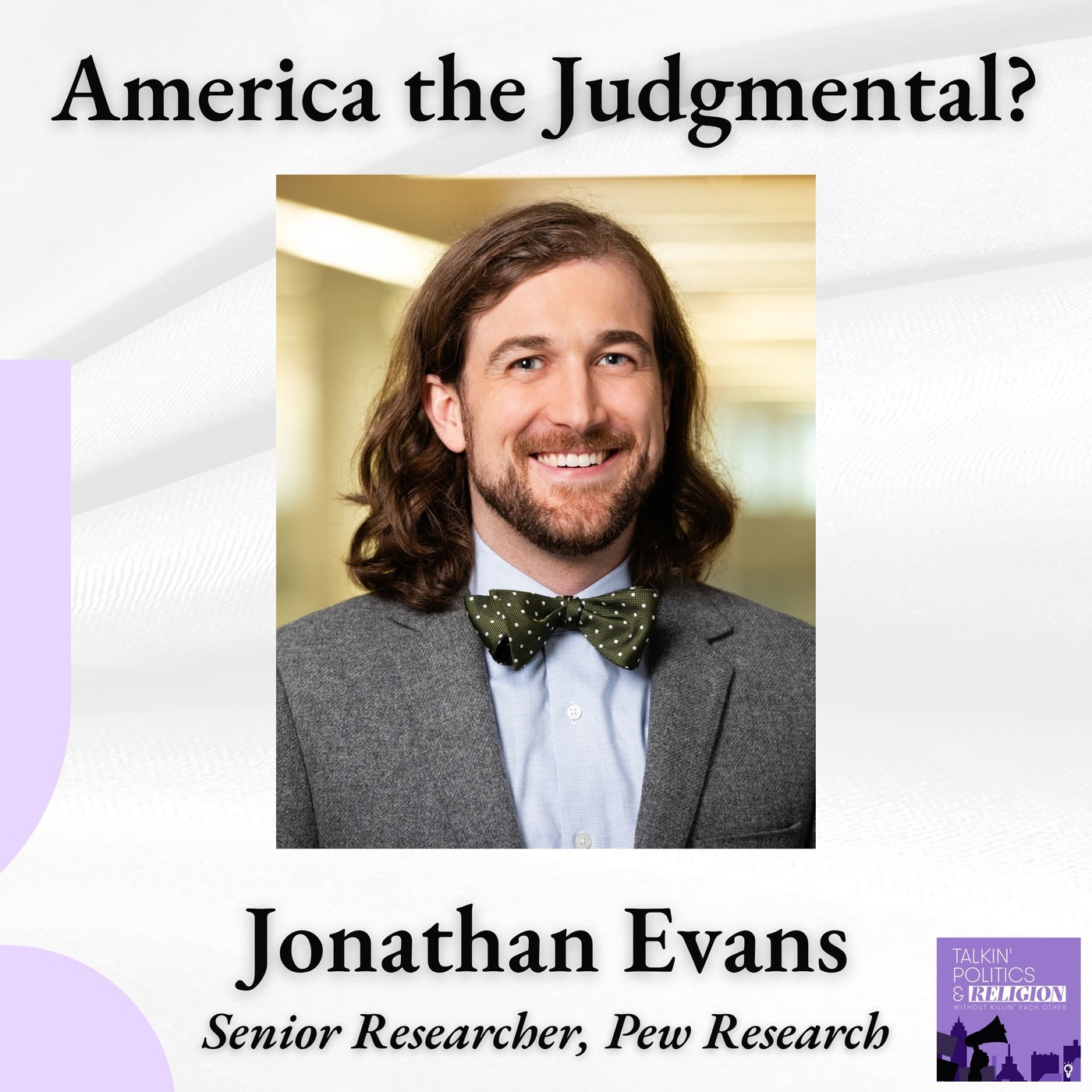
Jonathan Evans: Are Americans Really the World's Harshest Moral Critics? Pew Research Has the Data.
The U.S. is the only country in a 25-nation study where more than half of citizens view their fellow citizens as morally bad. Jonathan Evans of Pew Research Center joins us to unpack what the data actually says. Jonathan Evans is a senior researcher at Pew Research Center specializing in international polling on religion and national identity. The most recent report he led surveyed adults in 25 countries on how they rate the morality of their fellow citizens, and the findings about the U.S. spar...
411
March 20, 2026
Truth. Christian. Conservative. Patriot. We're Taking These Words Back.
Bono once said, before launching into Helter Skelter: “This is a song Charles Manson stole from the Beatles. We’re stealing it back.” That line describes exactly what’s been happening to some of the most important words in the English language, and exactly what we need to do about it. Calls to Action ✅ If this conversation resonates, consider sharing it with someone who believes connection across difference still matters. ✅ Subscribe to Corey’s Substack: coreysnathan.substack.com ✅ Leave a rev...
410
March 17, 2026
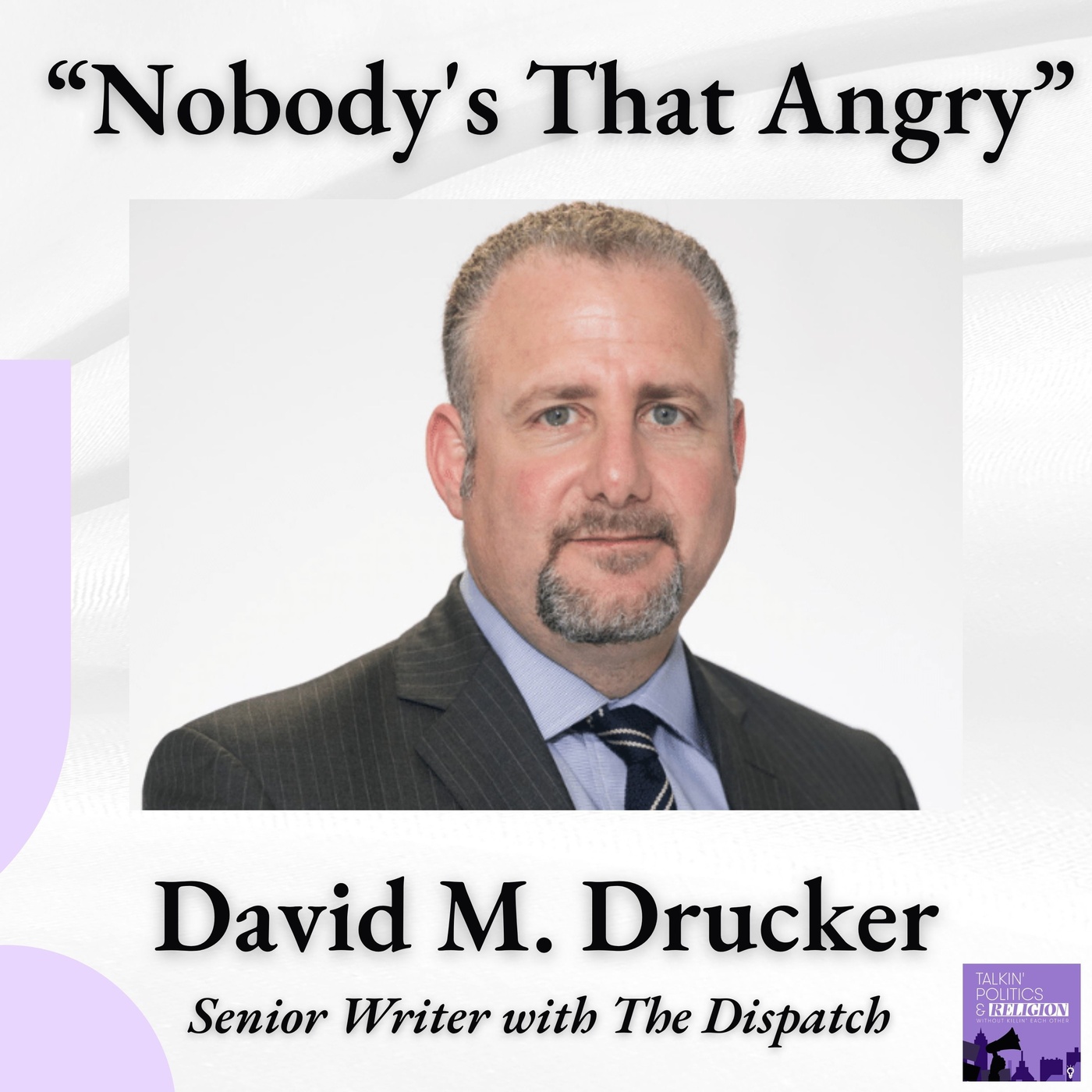
David M. Drucker of The Dispatch on the MAGA Coalition, the Media, and What Twitter Gets Wrong
What do voters actually want? And does what happens on social media have anything to do with it? David Drucker spent his twenties running his parents' manufacturing businesses in East LA. He was paying workers' comp, dealing with state regulations, signing the checks. Then he became a political journalist. That backstory turns out to matter. In this conversation, the senior writer at The Dispatch joins Corey to talk about what it means to cover American politics from the ground up. Drucker has ...
409
March 12, 2026
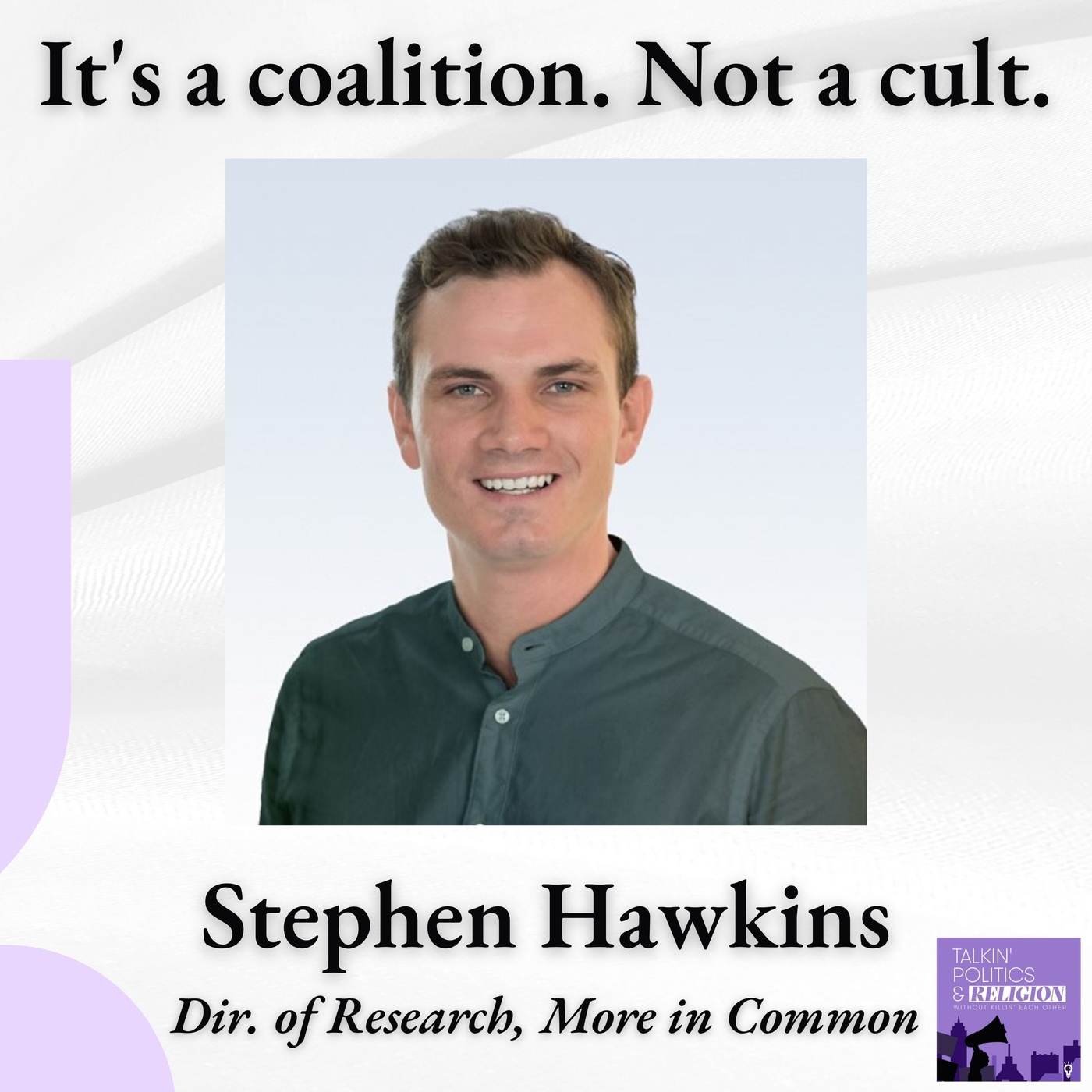
Not a Cult. A Coalition. Stephen Hawkins of More in Common on What Trump Voters Actually Believe
62% of Trump voters say being MAGA is not an important part of their identity. So who, exactly, did we just elect? Stephen Hawkins has been trying to answer that question with data for nearly a decade. As Director of Research at More in Common since its founding in 2016, he helped author the landmark Hidden Tribes study and now leads the Beyond MAGA project, the most comprehensive look yet at the psychology of the 77 million Americans who voted for Donald Trump in 2024. In this conversation, Co...
408
March 10, 2026
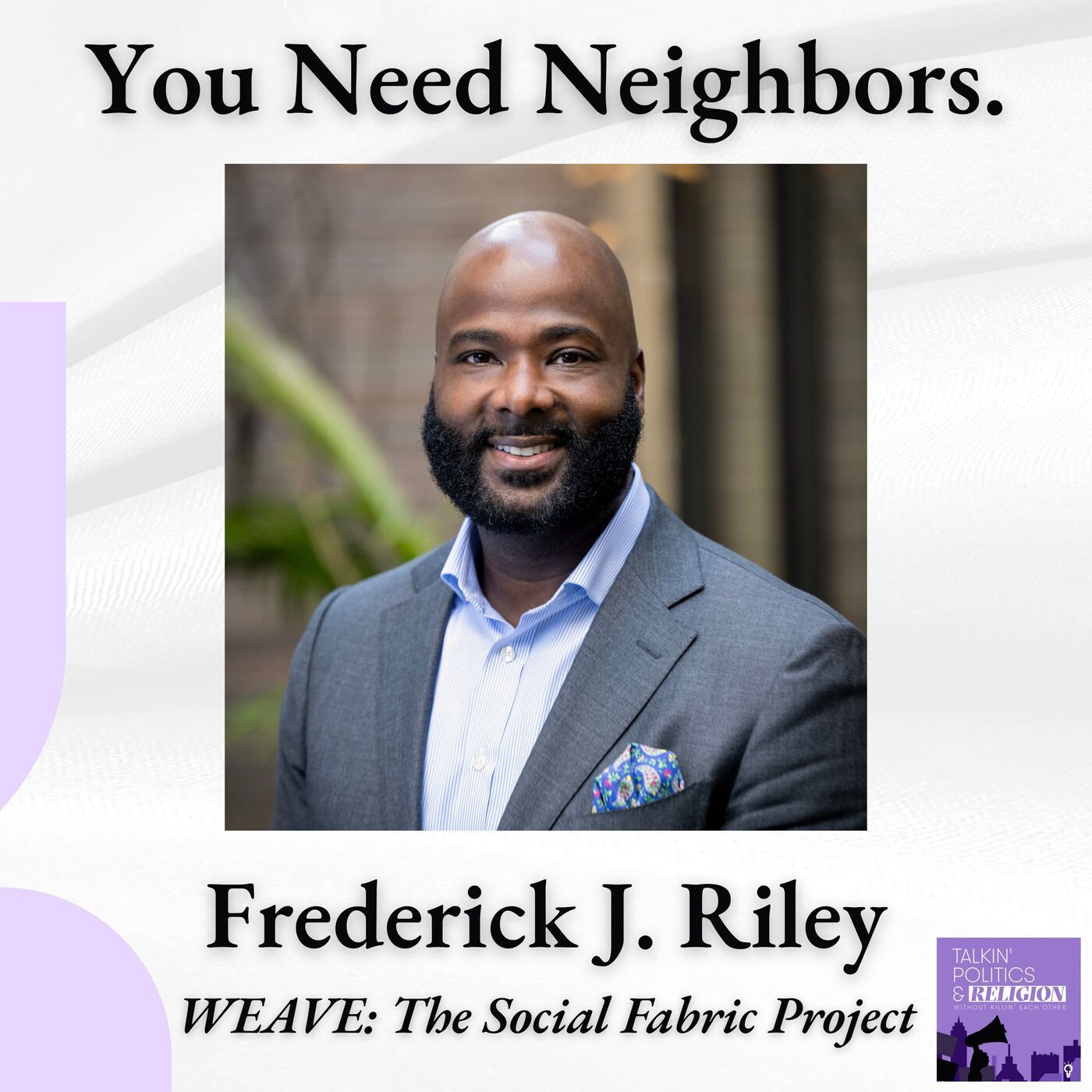
Frederick J. Riley, WEAVE's Executive Director: Connection — Not Policy — Is the Only Thing That Saves Us. Here's Who's Making It Happen.
What does it look like to grow up in a city running power cords between neighbors' houses just to stay warm — and then spend your career trying to rebuild that ethic everywhere else? Fred Riley is the Executive Director of Weave: The Social Fabric Project at the Aspen Institute, where he leads a national effort to fund, highlight, and connect the grassroots leaders who are stitching communities back together. Fred grew up in Saginaw, Michigan, shaped by a mother who "kneaded the dough" of her ki...
407
March 6, 2026
You Voted for Policy. Did You Vote for This?
What do you actually mean when you say the Pledge of Allegiance? And are you still willing to mean it? For years, Corey stood in silence during the Pledge of Allegiance, troubled by what looked too much like idol worship. Then something shifted. Reading the words instead of performing them, he realized the pledge was never about the flag or the man holding the office. It was about the republic for which it stands. In a moment when that republic is under genuine pressure, this episode is about th...
406
March 3, 2026
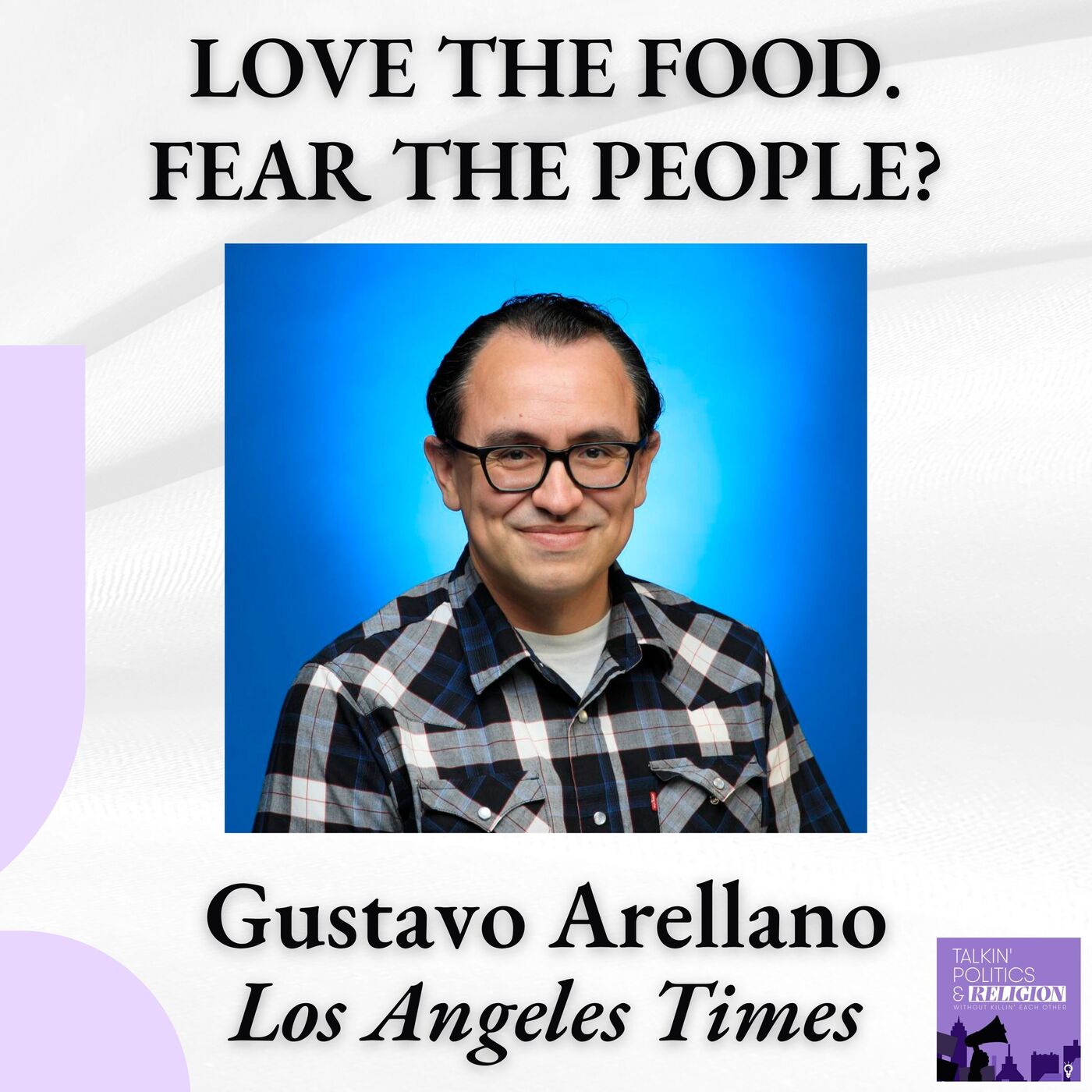
LA Times’ Gustavo Arellano on ICE Raids, Latino Voters, and America’s Breaking Point
What does it look like to spend 25 years covering a story you wish you could stop covering — and still refuse to despair? Gustavo Arellano is an LA Times columnist, Pulitzer Prize finalist, and the son of two Mexican immigrants. In this conversation he covers the Trump deportation machine, Rancho Libertarianism, why Americans hate Mexicans but love Mexican food, and what it actually looks like to stay in relationship across political difference. Calls to Action ✅ If this conversation resonates,...
405
Feb. 27, 2026
His Name Above Every Name: Dehumanization, Dignity, and the Practice of Seeing
What does it cost a person to go unseen? And what does it ask of us to truly see one another? In this solo reflection, Corey Nathan explores the moral weight of being seen and the deliberate cruelty of being made invisible. From Marilynne Robinson's Lila to Muhammad Ali's thundering "What's my name?" to Mother Teresa's gaze upon the discarded, this episode traces a thread that runs through literature, history, jazz, and the headlines of this particular moment. When Attorney General Pam Bondi tu...
404
Feb. 24, 2026
The Art of Neighboring: Pastor Amy Schenkel on Building Community, One Picnic Table at a Time (A WEAVE: The Social Fabric Project Story)
How do we rebuild the social fabric of our neighborhoods and congregations in an age of disconnection and division? In this episode, Pastor Amy Schenkel joins Corey to talk about what it means to be a "weaver" in your own community. From a front-yard picnic table that became a neighborhood gathering place to decades of church planting in downtown Grand Rapids, Amy brings a grounded, practical theology of neighboring that cuts across political and religious lines. Along the way, she and Corey exp...

403
Feb. 20, 2026
Baseball Is Back (and So Is the Debate) | East Meets West Sports Crossover
A Note for TP&R Listeners From time to time, it helps to talk about something other than politics in order to understand politics. Sports is one of the last shared civic spaces where identity, loyalty, disagreement, trash talk, and even tribalism can play out without destroying relationships. In other words, many of the same human instincts we explore on Talkin’ Politics & Religion Without Killin’ Each Other show up in a baseball season just as clearly as they do in an election season. So tod...

402
Feb. 17, 2026
The Election Whisperer: Katie Harbath on Ten Years Inside Facebook and Panicking Responsibly
How do we balance free speech, platform accountability, and democratic integrity when technology moves faster than policy? In this episode, Katie Harbath, the "election whisperer to the tech industry," joins Corey Nathan to discuss the impossible trade-offs facing social media platforms, the evolving landscape of AI and misinformation, and what it means to "panic responsibly" in an era of rapid technological change. Katie spent a decade at Facebook as a policy director managing elections globa...

401
Feb. 13, 2026
The End of a Pleasant Fiction: Power, Patrimonialism, and the Collapse of Moral Language
In Davos last month, Canadian Prime Minister Mark Carney lamented what he called “the end of a pleasant fiction.” That notion has is hard to fathom yet impossible to ignore. For decades, the United States did not merely wield power. It framed power in moral terms. Legitimacy. Integrity. Rules. Whether we always lived up to those words is one question. Whether we still speak them with credibility is another. In this solo reflection, Corey Nathan explores what it means when America is no longer t...
400
Feb. 10, 2026
Weaving the Social Fabric: John Noltner on Storytelling, Presence, and Seeing One Another
How do we learn to see one another as human again in a moment shaped by fear, fragmentation, and outrage? In this episode, photographer, author, and storyteller John Noltner joins Corey Nathan as part of TP&R’s ongoing Weavers series in partnership with Weave: The Social Fabric Project. John’s work spans five continents and centers on a simple but demanding conviction: storytelling and art can help restore trust, dignity, and connection in a divided world. From Minneapolis in the midst of natio...

399
Feb. 6, 2026
Who We Stop Seeing: Anonymity and the Collapse of the Thou
Most people imagine themselves as the ones who would have resisted. The ones who would have spoken up. The ones who would have refused to go along. History tends to tell a different story. In this episode, Corey Nathan explores how anonymity subtly yet significantly reshapes moral responsibility. Not all at once, and not dramatically, but steadily. What begins as distance or abstraction often ends as permission. Permission to flatten, dismiss, or dehumanize without fully reckoning with the human...
398
Feb. 3, 2026
Freedom Over Fascism: Dr. Stephanie Wilson on Naming the Threat
How do societies decide which stories to tell about themselves and which truths to soften or ignore? In this episode, historian, communications strategist, and Freedom Over Fascism host Dr. Stephanie Wilson joins Corey Nathan to discuss collective memory, historical narrative, and the language shaping American civic life right now. Drawing on her academic work on Jerusalem, her experience in political communications, and her current focus on democracy and messaging, Stephanie explores how myths...

397
Jan. 30, 2026
Where Do We Place Ourselves in Our Stories?
Where do we actually place ourselves in the stories we tell about courage, faith, and power? In this solo episode, Corey reflects on how individuals and communities locate themselves within history, scripture, and national memory. The temptation, especially among those shaped by religious or moral traditions, is to imagine oneself as prophetic rather than complicit, as a resister rather than an enabler. History, however, is rarely judged by intention or self identification. It is judged by outco...

396
Jan. 27, 2026
Enduring Disorder and the High Stakes Gamble of Modern Politics with Jason Pack
What does it mean to live in an age where disorder is no longer a temporary crisis but a permanent condition? Corey is joined by Jason Pack, a geopolitical analyst and founder of Libya Analysis, to discuss global instability, institutional decay, and what Jason calls the Enduring Disorder. Drawing on experiences spanning post-9/11 Middle East policy, Libya’s fragile political landscape, and years of work with NATO affiliated institutions, Jason argues that the world has moved beyond the post Col...